

A tooth broken at the gum line may look impossible to save, but modern dental treatments can often restore the tooth and prevent extraction. The success of treatment depends on how severe the fracture is, whether the root remains healthy, and how quickly you seek dental care.
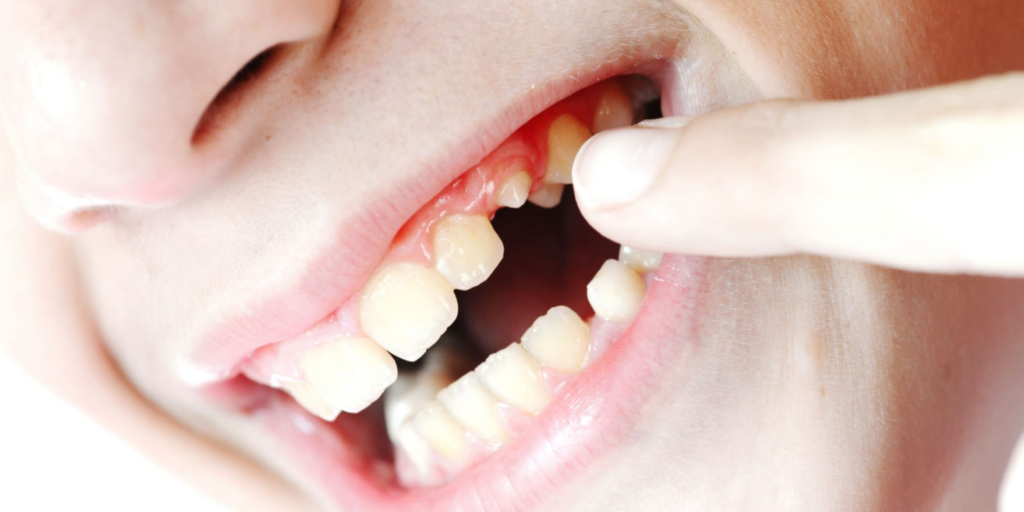
A tooth can break at the gum line due to trauma, untreated decay, weakened enamel, large fillings, or teeth grinding. In many cases, advanced restorative dentistry procedures can rebuild the tooth and restore both its function and appearance.
Ignoring a broken tooth can increase the risk of infection, bone loss, and permanent tooth damage. That is why immediate evaluation is important.
What Happens When Your Tooth Breaks at the Gum Line?
When a tooth breaks at or below the gum line, the visible portion of the tooth may partially or completely disappear. This type of tooth fracture can expose the dentin, nerves, or pulp inside the tooth, causing pain, sensitivity, swelling, and difficulty chewing.
Some patients experience sudden severe pain, while others notice only mild discomfort at first. Even if the pain is minimal, the damaged tooth still requires immediate dental attention because bacteria can enter the area and lead to infection.
Common signs of a tooth broken at the gum line include:
- Sharp pain when chewing
- Bleeding around the gums
- Swelling or gum irritation
- Sensitivity to hot or cold foods
- Difficulty biting properly
- A visible crack or missing tooth structure
According to Dr. Georgia Haddad, early diagnosis plays an important role in determining whether the tooth can be successfully restored.
Patients experiencing a broken tooth dental emergency in Manhattan Beach or nearby areas should seek prompt treatment to avoid further complications.
How Can a Tooth Broken at Gum Line Be Saved?
Whether a broken tooth at the gum line can be saved depends on several factors, including:
- The depth of the fracture
- The condition of the tooth root
- Presence of infection
- Amount of remaining tooth structure
- Health of the surrounding bone and gums
Dentists typically use digital X-rays and a full examination to determine if the tooth can be restored.
In many cases, preserving the natural tooth is preferred because it helps maintain jawbone support, proper chewing function, and alignment of nearby teeth.
Dr. Georgia Haddad explains that modern restorative dentistry allows many teeth once considered hopeless to now be successfully repaired.
Key Treatments for Teeth Broken at the Gum Line
Several restorative dentistry procedures may help save a tooth broken below the gum line.
Root Canal Therapy
If the pulp inside the tooth becomes exposed or infected, root canal therapy may be necessary. During the procedure, the damaged tissue is removed and the root canals are cleaned and sealed.
A dental crown is usually placed afterward to strengthen and protect the tooth from future fractures.
Dental Crowns
Dental crowns are one of the most common solutions for restoring a broken tooth at the gum line. A crown covers the damaged tooth and restores its shape, strength, and appearance.
Crowns are custom-designed to blend naturally with surrounding teeth while improving durability and function.
Crown Lengthening
When the fracture extends below the gum line, crown lengthening may be recommended. This procedure removes a small amount of gum tissue or bone to expose more of the tooth.
This creates enough visible tooth structure to securely place a dental crown.
Dental Post and Core Build-Up
If only a small amount of tooth remains above the gums, a dental post may be inserted into the root canal to support a core build-up.
This foundation helps stabilize the tooth before a crown is placed.
Dental Implants
If the tooth cannot be restored, extraction may become necessary. Dental implants are often considered the most durable and natural-looking replacement option.
Implants help restore chewing ability while also preventing jawbone loss and shifting of surrounding teeth.
When a Tooth Cannot Be Saved
Although many broken teeth can be repaired, some fractures are too severe to restore.
A tooth may require extraction if:
- The root is vertically fractured
- Severe infection has damaged the surrounding bone
- There is insufficient tooth structure remaining
- Advanced gum disease weakens tooth support
In these cases, replacing the tooth with a dental implant or bridge may provide the healthiest long-term solution.
Protecting long-term oral health and preventing future complications are always the primary goals when recommending treatment.
Why Immediate Dental Care Is Important
Quick treatment significantly improves the chances of saving a broken tooth. Delaying care can allow bacteria to spread into the root and surrounding tissues, increasing the risk of infection and permanent damage.
Untreated broken teeth may lead to:
- Severe pain
- Gum infections or abscesses
- Additional fractures
- Bone loss
- Permanent tooth loss
Until you visit the dentist, these steps may help reduce discomfort:
- Rinse gently with warm water
- Avoid chewing on the damaged side
- Apply a cold compress to reduce swelling
- Save any broken tooth fragments if possible
- Take over-the-counter pain relief if needed
Preventing Teeth from Breaking
Although accidents cannot always be prevented, certain habits can reduce the risk of severe tooth fractures.
Helpful prevention tips include:
- Wearing a mouthguard during sports
- Avoiding chewing ice or hard candies
- Treating cavities early
- Managing teeth grinding
- Visiting the dentist regularly for checkups
Routine dental exams help identify weak or damaged teeth before serious fractures occur.
Book Your Consultation Today
A tooth broken at the gum line does not always mean the tooth is beyond saving. With prompt treatment and the right restorative approach, many damaged teeth can be successfully repaired.
Schedule a consultation with Dr. Georgia Haddad at Beach Cities Dental Group to explore personalized treatment options and restore your oral health with expert dental care.
Frequently Asked Questions
1. Can a tooth broken at the gum line heal on its own?
No. Teeth cannot naturally repair themselves once fractured. Professional dental treatment is necessary to restore the tooth and prevent infection.
2. Is a tooth broken at the gum line a dental emergency?
Yes. Immediate dental care can improve the chances of saving the tooth and reducing complications.
3. Can a dentist rebuild a tooth broken below the gum line?
Yes. Procedures like root canal therapy, crown lengthening, and dental crowns may help restore the tooth.
4. Will every broken tooth need extraction?
No. Many teeth can still be saved if the root and surrounding bone remain healthy.
5. What happens if a broken tooth is left untreated?
Untreated broken teeth can lead to severe pain, infection, worsening fractures, and eventual tooth loss.