

Sudden tooth sensitivity can be uncomfortable, frustrating, and sometimes alarming. According to dental experts like Dr. Georgia Haddad, sudden sensitivity is often a sign that your teeth or gums may need professional attention. One day, you are enjoying hot coffee or ice cream, and the next day you feel a sharp pain in your teeth. Tooth sensitivity may develop gradually or appear suddenly because of underlying dental problems. Understanding the cause is the first step toward finding relief and protecting your oral health.
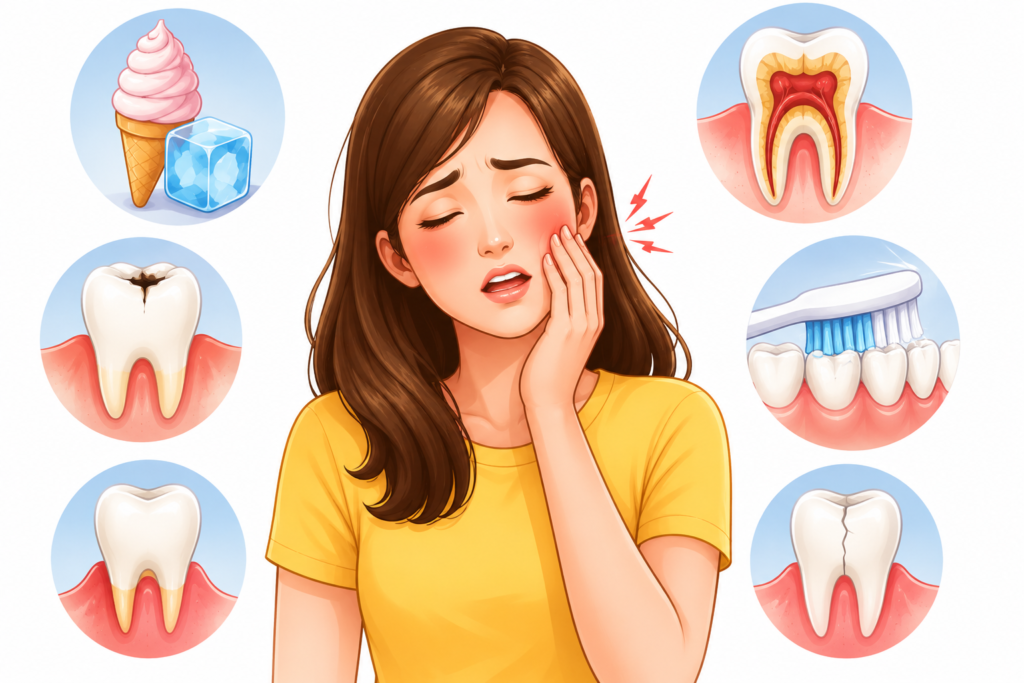
Many people ignore tooth sensitivity at first, hoping it will disappear on its own. However, sudden sensitivity can be a warning sign that your teeth need professional attention. From enamel erosion to gum recession, several dental issues can expose the inner layers of the tooth and trigger discomfort. Seeking timely dental care can help prevent more serious complications in the future.
Why Do Teeth Suddenly Become Sensitive?
Your teeth are protected by a strong outer layer called enamel. Beneath the enamel is dentin, a softer layer filled with tiny tubules connected to the nerves inside the tooth. When enamel wears down or gums recede, these tubules become exposed. Hot, cold, sweet, or acidic foods can then stimulate the nerves, causing sudden, sharp pain or discomfort.
Tooth sensitivity may affect one tooth or multiple teeth. In some cases, the discomfort is temporary. In others, it may signal a more serious dental condition such as tooth decay, infection, or enamel damage. Identifying the exact cause is essential for proper treatment and long-term relief.
Common Triggers Behind Sudden Tooth Sensitivity
Enamel Erosion From Acidic Foods and Drinks
Enamel erosion is one of the leading causes of tooth sensitivity. Frequent consumption of acidic foods and beverages such as soda, citrus fruits, coffee, wine, and sports drinks can gradually weaken enamel. Once enamel becomes thin, the dentin underneath becomes exposed, making teeth more sensitive.
Gum Recession Exposing Tooth Roots
Gum recession exposes the roots of the teeth, which are naturally more sensitive than the crown. Receding gums may result from gum disease, aggressive brushing, or aging. Since tooth roots lack enamel protection, they react strongly to temperature changes and pressure.
Cavities and Tooth Decay
A cavity creates openings in the enamel that allow bacteria and food particles to reach the sensitive inner layers of the tooth. Sensitivity caused by decay often worsens over time and may eventually lead to severe pain if left untreated.
Teeth Grinding and Clenching
Grinding or clenching your teeth, also known as bruxism, can wear down enamel over time. Many people grind their teeth during sleep without realizing it. This repeated pressure weakens the protective surface of the teeth and increases sensitivity.
Cracked or Chipped Teeth
A cracked or chipped tooth can expose dentin or nerves, leading to sudden sensitivity. Even a small fracture may allow bacteria to enter the tooth, increasing discomfort and the risk of infection.
Teeth Whitening Products
Some whitening products contain ingredients that temporarily increase tooth sensitivity. While the discomfort often improves after treatment ends, excessive use of whitening products may weaken enamel and worsen sensitivity.
Sensitivity After Dental Procedures
Temporary sensitivity after fillings, crowns, cleanings, or whitening treatments is common. This usually fades within a few days, but persistent discomfort should be evaluated by a dentist.
Gum Disease and Inflammation
Gum disease can cause inflammation, gum recession, and exposure of sensitive tooth roots. If sensitivity occurs along with bleeding gums, swelling, or bad breath, gum disease may be the underlying issue.
Immediate Relief Tips for Sensitive Teeth
If you suddenly develop tooth sensitivity, there are several steps you can take at home to reduce discomfort while waiting for professional treatment.
- Use toothpaste designed for sensitive teeth
- Avoid extremely hot or cold foods and drinks
- Brush gently using a soft-bristle toothbrush
- Limit acidic foods and beverages
- Avoid aggressive brushing habits
- Rinse with warm salt water if irritation is present
Although these methods may provide temporary relief, they do not treat the root cause of the problem. Persistent or worsening sensitivity should always be evaluated by a dental professional.
If your tooth sensitivity is severe, sudden, or accompanied by swelling or pain while chewing, it may indicate a deeper issue such as infection or nerve damage. In these situations, immediate dental care is important to prevent complications.
Best Treatments for Tooth Sensitivity According to Dr. Georgia Haddad
The best treatment for tooth sensitivity depends on the underlying cause. A dentist will examine your teeth, gums, and enamel to determine the most effective solution.
Desensitizing Toothpaste
Special toothpaste for sensitive teeth helps block pain signals from reaching the nerves inside the tooth. With regular use, many patients notice improvement within a few weeks.
Professional Fluoride Treatments
Professional fluoride applications strengthen weakened enamel and reduce sensitivity. Fluoride protects the tooth surface and lowers the risk of future damage.
Dental Bonding for Exposed Areas
If enamel has worn away or roots are exposed, dental bonding may be used to cover sensitive areas. This protective material reduces discomfort and restores the appearance of the tooth.
Gum Disease Treatment
If gum recession is caused by gum disease, deep cleaning procedures may help remove bacteria and improve gum health. Early treatment can prevent further recession and sensitivity.
Night Guards for Teeth Grinding
Patients who grind their teeth may benefit from a custom night guard. This appliance protects the teeth from excessive pressure and prevents additional enamel wear.
Fillings or Dental Crowns
If cavities, cracks, or damaged teeth are causing sensitivity, restorative treatments such as fillings or crowns may be recommended to protect the tooth structure.
Root Canal Therapy
In severe cases where the tooth nerve is damaged or infected, root canal treatment may be necessary. This procedure removes infected tissue and eliminates pain while preserving the natural tooth.
How to Prevent Tooth Sensitivity Before It Starts
Preventing sensitivity begins with maintaining strong enamel and healthy gums. Good oral hygiene habits can significantly reduce the risk of developing sensitive teeth.
Here are a few prevention tips:
- Brush twice daily using fluoride toothpaste
- Floss every day to remove plaque buildup
- Visit your dentist regularly for cleanings and exams
- Avoid excessive acidic foods and drinks
- Wear a mouthguard if you grind your teeth
- Use gentle brushing techniques
Routine dental visits help identify early signs of enamel wear, gum recession, and decay before they become more serious problems.
When Should You Visit a Dentist for Sensitive Teeth?
Occasional mild sensitivity may not always require immediate treatment. However, you should schedule a dental visit if:
- Sensitivity lasts longer than a few days
- Pain becomes severe or constant
- You notice swelling or gum bleeding
- One specific tooth is extremely sensitive
- Sensitivity interferes with eating or drinking
Professional evaluation is important because untreated sensitivity can sometimes indicate infections, fractures, or advanced gum disease.
At Beach Cities Dental Group, Dr. Georgia Haddad provides personalized dental care for patients experiencing tooth sensitivity and other oral health concerns. Early diagnosis and treatment can help protect your smile and restore comfort.
If sudden tooth sensitivity is affecting your daily life, schedule an appointment with Beach Cities Dental Group today to identify the cause and receive the right treatment.
FAQs
1. Why are my teeth suddenly sensitive to cold foods?
Cold sensitivity often occurs when enamel wears down or gums recede, exposing the dentin layer beneath the tooth surface.
2. Can stress cause tooth sensitivity?
Yes. Stress can contribute to teeth grinding or clenching, which may wear down enamel and increase sensitivity.
3. Is tooth sensitivity permanent?
Not always. Many cases improve with proper treatment, good oral hygiene, and professional dental care.
4. Does sensitive toothpaste really work?
Yes. Sensitive toothpaste can help block nerve signals and reduce discomfort when used consistently.
5. When should I worry about tooth sensitivity?
You should see a dentist if sensitivity is severe, persistent, or accompanied by swelling, pain, or visible damage to the tooth.