

Medically reviewed by Dr. Georgia Haddad
Orthodontic braces are one of the most established ways to straighten teeth, improve bite alignment, and create a healthier, more balanced smile. They can correct concerns such as crowding, spacing, crooked teeth, overbites, underbites, and crossbites. While many people first think about appearance when considering braces, orthodontic treatment can also make teeth easier to clean and support better long-term oral function.
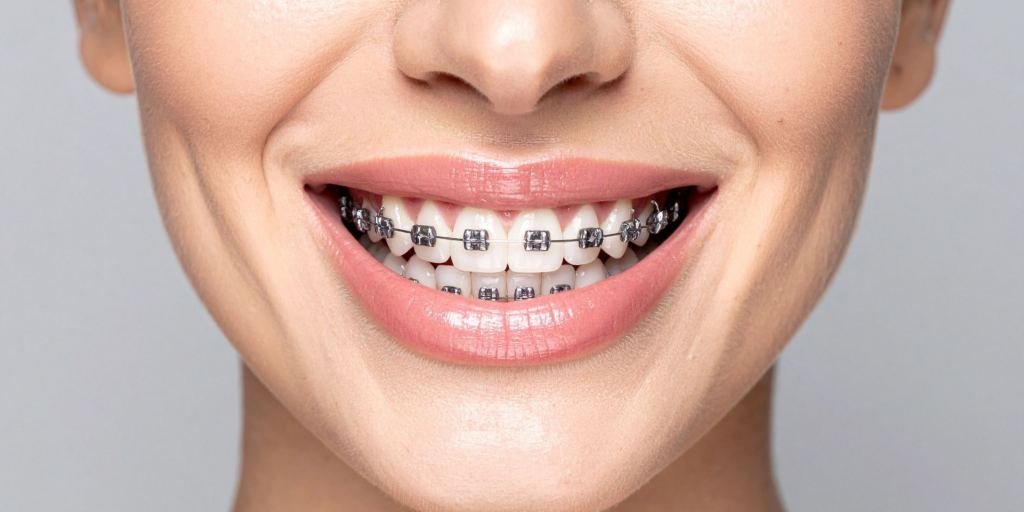
The overall investment in orthodontic treatment varies from person to person. When researching traditional metal braces price, it is important to look beyond the braces themselves. The total treatment plan may depend on the complexity of the case, expected treatment duration, orthodontic appointments, retainers, insurance benefits, and the payment arrangements offered by the dental or orthodontic office. Because every smile is different, a personalized consultation is the best way to understand what treatment may involve.
What Are Orthodontic Braces?
Orthodontic braces use controlled pressure to gradually move teeth into more desirable positions. Traditional braces generally consist of small brackets attached to the teeth and an archwire that connects those brackets. The wire applies gentle, consistent pressure, while periodic adjustments help guide the teeth throughout treatment.
Braces are commonly recommended when teeth are crowded, rotated, spaced too far apart, or affected by bite problems. In some cases, orthodontic treatment may also address the relationship between the upper and lower jaws.
Treatment does not happen overnight. Teeth need time to respond to gradual pressure, and the treatment timeline depends on the patient’s specific orthodontic needs.
Why Do People Need Braces?
There are several reasons a dental professional may recommend orthodontic treatment. Some are primarily cosmetic, while others relate to oral function and long-term dental health.
Common reasons include:
- Crowded teeth
- Gaps between teeth
- Crooked or rotated teeth
- Overbite
- Underbite
- Crossbite
- Open bite
- Difficulty cleaning between crowded teeth
- Uneven tooth contact
- Certain jaw and bite alignment concerns
Correcting these issues may make everyday activities such as brushing, flossing, chewing, and maintaining oral hygiene easier.
Types of Orthodontic Braces
Braces are not limited to one type. The appropriate option depends on the patient’s age, orthodontic condition, treatment goals, lifestyle, and recommendations from the dental professional.
Traditional Metal Braces
Traditional metal braces remain a widely used orthodontic option. They use brackets and wires to gradually move teeth into alignment. Modern metal braces are generally smaller and more streamlined than older designs.
When researching traditional metal braces price, patients should understand that the amount associated with treatment can represent more than the brackets and wires. The overall treatment plan may include examinations, diagnostic records, regular adjustment appointments, repairs when needed, and retainers following active treatment.
Ceramic Braces
Ceramic braces work similarly to traditional braces but use tooth-colored or less noticeable brackets. They may appeal to patients who want a more discreet appearance while still preferring a fixed orthodontic system.
Because ceramic brackets can involve different materials and treatment considerations, the overall treatment investment may vary from traditional braces.
Clear Aligners
Clear aligners use a series of removable trays to gradually reposition teeth. They can be an attractive option for patients who prefer a less noticeable orthodontic treatment.
However, clear aligners are not appropriate for every orthodontic situation. A dental professional needs to evaluate the patient’s teeth and bite before recommending this approach.
What Affects the Overall Orthodontic Treatment Investment?
There is no single figure that applies to every patient. Several factors can influence the overall amount involved in orthodontic treatment.
1. Complexity of the Case
The condition of the teeth and bite is one of the most important considerations. Mild spacing may require a different treatment approach than significant crowding or a complicated bite problem.
More complex cases can require additional appointments, specialized orthodontic planning, or a longer treatment period.
2. Treatment Duration
Orthodontic treatment can take months or several years depending on the patient’s needs. The longer and more involved the treatment, the more appointments and monitoring may be required.
Patients should avoid comparing treatment plans solely based on an advertised starting figure. A complete treatment plan provides a more useful picture.
3. Age
Braces can be used for children, teenagers, and adults. Younger patients may sometimes experience tooth movement differently because their jaws and supporting structures are still developing.
Adults can also achieve successful orthodontic results, although their treatment plans may require additional considerations based on existing dental work, bone structure, gum health, or previous orthodontic treatment.
4. Geographic Location
Where you receive orthodontic treatment can also influence the amount you may be asked to pay. Dental and orthodontic fees can vary between regions because of differences in operating expenses, local market conditions, office facilities, and professional services.
This is why online estimates should be treated as general information rather than a personalized quote.
5. Additional Dental Needs
Some patients need dental treatment before starting orthodontics. For example, untreated cavities or gum concerns may need attention before braces are placed.
A healthy foundation can help support a successful orthodontic treatment experience.
6. Retainers After Treatment
Braces are only part of the orthodontic journey. Once active treatment is completed, retainers are commonly recommended to help maintain the new position of the teeth.
Patients should ask whether initial retainers and follow-up retention appointments are included in their treatment plan.
What Is Included in a Braces Treatment Plan?
When comparing orthodontic options, ask what is included rather than focusing on one number.
A comprehensive treatment plan may include:
- Initial consultation
- Dental and orthodontic examination
- Diagnostic imaging or records when needed
- Treatment planning
- Placement of braces
- Periodic adjustment appointments
- Monitoring of tooth movement
- Minor repairs or replacement considerations
- Removal of braces after active treatment
- Initial retainers
- Retention instructions
Not every practice structures its treatment package in exactly the same way. Asking for a written explanation can help you understand what services are covered.
Understanding Traditional Metal Braces Price
The phrase traditional metal braces price can be useful when starting your research, but an online price range does not necessarily reflect what a particular patient will pay.
The final amount may depend on the complexity of treatment, the expected length of care, location, insurance benefits, and what the orthodontic office includes in its treatment package.
Instead of choosing a provider based solely on the lowest advertised amount, consider the complete treatment experience. Ask about diagnostic appointments, adjustment visits, emergency appointments, retainers, financing, and what happens if treatment takes longer than originally anticipated.
A consultation can provide much more useful information than a general online estimate because the dental professional can evaluate your individual smile.
Does Dental Insurance Help With Braces?
Some dental insurance plans include orthodontic benefits, but coverage varies considerably.
Orthodontic benefits may have:
- A lifetime maximum
- Age restrictions
- Waiting periods
- Deductibles
- Percentage-based coverage
- Specific eligibility requirements
- Restrictions on certain orthodontic services
Some plans may provide benefits for children but offer limited or no orthodontic coverage for adults unless additional coverage applies.
Before beginning treatment, review your plan documents or contact your insurance provider. Ask specifically about orthodontic coverage, the lifetime maximum, eligible patients, deductibles, waiting periods, and whether preauthorization is required.
Insurance generally should not be assumed to cover the entire treatment plan.
Can Adults Get Braces?
Absolutely. Orthodontic treatment is not limited to teenagers.
Adults may seek braces because their teeth have shifted over time, previous orthodontic treatment was not maintained, or they never had orthodontic treatment when they were younger.
Before starting treatment, an adult dental evaluation is important. The dentist or orthodontic professional may evaluate existing fillings, crowns, gum health, bone support, missing teeth, and other factors that could influence treatment planning.
Adults also have several orthodontic options, including traditional braces, ceramic braces, and clear aligners, depending on their individual needs.
Payment Options for Orthodontic Treatment
Orthodontic offices often provide several ways to manage treatment payments. Available options differ between practices, so patients should ask about payment policies before treatment begins.
Monthly Payment Plans
Some offices allow patients to spread payments across the treatment period. This can make orthodontic treatment easier to budget for instead of paying the entire amount at once.
The required down payment, monthly amount, interest, and payment duration can vary.
Health Savings Accounts and Flexible Spending Accounts
Depending on eligibility and current plan rules, qualified orthodontic expenses may be payable using funds from a Health Savings Account or Flexible Spending Account.
Patients should confirm eligibility with their plan administrator or tax professional before relying on these accounts for treatment expenses.
Insurance Benefits
If orthodontic coverage is available, insurance benefits may reduce the patient’s portion of the treatment investment. However, the amount covered depends on the specific plan.
Questions to Ask Before Getting Braces
A consultation is an opportunity to understand your treatment rather than simply asking about braces alone.
Consider asking:
- What orthodontic problem needs to be corrected?
- Which treatment option is recommended and why?
- How long is treatment expected to take?
- What appointments are included?
- Are retainers included after treatment?
- What happens if a bracket or wire breaks?
- Does my dental insurance provide orthodontic benefits?
- What payment plans are available?
- Are there additional services that could affect the overall treatment investment?
- How often will my progress be monitored?
These questions can help you compare treatment plans more effectively.
Why a Personalized Orthodontic Consultation Matters
Online articles can explain general orthodontic concepts, but they cannot determine the right treatment for an individual patient. Two people with similar-looking crooked teeth may require very different approaches because their bite, jaw relationship, dental history, and oral health can differ.
A professional evaluation allows the dental team to assess your teeth and develop an individualized plan. It also gives you an opportunity to discuss treatment expectations, maintenance, appointment frequency, insurance, and payment arrangements.
For patients in the Ventura County area, Beach Cities Dental Group can be a helpful starting point for discussing dental and orthodontic needs with a professional team.
How to Prepare for Your Braces Consultation
Before your appointment, gather your dental insurance information and make a list of questions. If you have previously worn braces or aligners, tell the dental team about your earlier treatment.
It can also help to think about your primary goals. You may be concerned about crowded front teeth, a bite problem, difficulty cleaning certain areas, or the appearance of your smile.
Being clear about your expectations allows the dental team to explain the available options more effectively.
Caring for Your Teeth During Orthodontic Treatment
Good oral hygiene becomes especially important when wearing braces. Food particles can collect around brackets and wires, making thorough cleaning essential.
Patients should follow their dental professional’s recommendations for brushing, flossing, and cleaning around orthodontic appliances. Regular dental visits remain important during orthodontic treatment because braces do not protect teeth from cavities or gum disease.
Depending on your appliance, you may also need to limit particularly hard or sticky foods that could damage brackets or wires.
What Happens After Braces?
Once the teeth reach their planned positions, the active braces phase ends. However, orthodontic care does not necessarily stop there.
Retainers are commonly used to help maintain tooth alignment. Teeth naturally experience movement over time, so following retention instructions is an important part of protecting the results.
Your dental professional can explain how often to wear your retainer and how to care for it.
The Bottom Line on Orthodontic Braces and Costs
Orthodontic braces can provide both cosmetic and functional benefits by improving tooth alignment and bite relationships. Traditional metal braces remain a reliable treatment option, but the right choice depends on the patient’s individual dental needs.
When considering orthodontic treatment, avoid focusing only on the initial price. The overall treatment investment can be influenced by case complexity, treatment duration, age, location, insurance benefits, appointments, retainers, and payment arrangements.
If you are considering braces, Beach Cities Dental Group can help you discuss your orthodontic concerns and determine what evaluation may be appropriate for your smile. A personalized consultation is the best way to understand your treatment options and the financial considerations associated with your individual plan.
Ready to take the next step? Contact Beach Cities Dental Group to schedule a consultation and discuss your orthodontic goals with our dental team.
Frequently Asked Questions
1. How much do traditional metal braces usually involve financially?
The overall amount varies based on treatment complexity, duration, location, insurance benefits, and what is included in the treatment package. A personalized consultation provides a more accurate understanding than a general online estimate.
2. Are traditional metal braces still a good option?
Yes. Traditional metal braces remain a widely used orthodontic option for correcting crowding, spacing, crooked teeth, and many bite concerns. The best treatment depends on the patient’s specific needs.
3. Does dental insurance cover braces?
Some dental insurance plans provide orthodontic benefits, but coverage varies. Plans may have lifetime maximums, age restrictions, deductibles, waiting periods, or other requirements. Patients should confirm their benefits directly with their insurance provider.
4. Can adults get traditional braces?
Yes. Adults can receive orthodontic treatment when they are appropriate candidates. Before treatment, the dental team may evaluate gum health, existing dental work, bone support, and other factors that could affect treatment.
5. Are retainers necessary after braces?
Retainers are commonly recommended after active orthodontic treatment to help maintain tooth alignment. Your dental professional will explain the appropriate retention schedule and how to care for your retainer.