

Dry socket after tooth extraction is a common but painful condition that can delay healing if not treated properly. While most people recover smoothly after a tooth extraction, complications like dry socket can occur when the protective blood clot is lost too early.
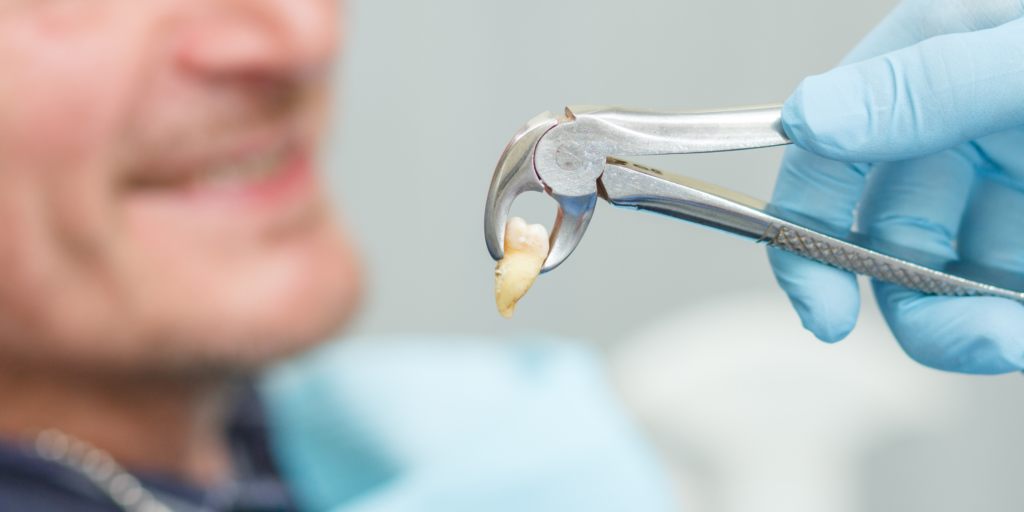
After a tooth extraction, mild discomfort and gradual improvement are expected each day. However, if the pain suddenly becomes severe instead of getting better, it may indicate dry socket. Early understanding and quick action can prevent unnecessary pain and speed up recovery.
What Is Dry Socket (And Why It Hurts So Much)?
After a tooth is removed, the body naturally forms a blood clot in the socket. This clot is essential because it protects the exposed bone and nerves during healing.
Dry socket occurs when this clot is:
- Dislodged too early
- Never properly formed
- Dissolved due to irritation or infection
Without this protection, the underlying bone and nerves are exposed, causing intense, radiating pain that may spread to the ear, jaw, or temple.
According to Dr. Georgia Haddad, dry socket pain is often described by patients as one of the most uncomfortable post-extraction complications and requires timely dental care.
Causes of Dry Socket
Several factors can increase the risk of developing dry socket after dental extraction.
1. Smoking or Tobacco Use
Smoking restricts blood flow and introduces chemicals that interfere with clot formation. The suction action can also physically dislodge the clot.
2. Using a Straw
The suction pressure from straws can easily remove the protective blood clot from the socket.
3. Poor After Tooth Extraction Care
Not following post-extraction instructions—such as improper rinsing or eating hard foods—can delay healing and increase infection risk.
4. Complex or Surgical Extractions
Wisdom tooth removal or impacted teeth have a higher risk due to deeper tissue disruption.
5. Hormonal Changes
Hormonal fluctuations, especially in women, may affect clot stability and healing response.
Dental experts at Beach Cities Dental Group emphasize that most dry socket cases are preventable with proper aftercare and lifestyle precautions.
Signs & Symptoms You Shouldn’t Ignore
Dry socket typically appears within 2–4 days after tooth extraction. Watch for:
- Severe throbbing pain that worsens over time
- Pain radiating to the ear, neck, or eye
- Visible empty socket or exposed bone
- Bad breath or unpleasant taste
- Swelling and gum tenderness
If pain suddenly increases after initial improvement, it is important not to ignore it.
Fast Relief Tips for Dry Socket
Dry socket cannot fully heal at home, but symptoms can be managed until professional care is received.
1. Visit a Dentist Immediately
The most effective treatment is professional care. Dr. Georgia Haddad can clean the socket and place a medicated dressing that provides rapid pain relief.
2. Warm Saltwater Rinse
After 24 hours, gentle rinsing with warm salt water helps reduce bacteria and keep the area clean.
3. Cold Compress
Applying a cold compress on the cheek reduces swelling and helps numb pain.
4. Soft Diet Only
Stick to soft foods like yogurt, mashed potatoes, smoothies, and soups to avoid disturbing the healing site.
5. Pain Medication (If Advised)
Over-the-counter pain relievers may help manage discomfort but do not treat the root cause.
How Dentists Treat Dry Socket
At clinics like Beach Cities Dental Group, treatment focuses on immediate pain relief and proper healing.
Typical treatment includes:
- Gentle cleaning of the socket
- Placement of a medicated dressing
- Pain management support
- Follow-up visits if needed
Most patients experience significant relief within 24–48 hours after treatment.
How to Prevent Dry Socket After Tooth Extraction
Prevention is the most effective approach. Follow these key steps:
- Avoid smoking for at least 2–3 days
- Do not use straws
- Eat soft foods for the first few days
- Maintain gentle oral hygiene
- Follow all dentist instructions carefully
As highlighted by Dr. Georgia Haddad, patients who strictly follow aftercare instructions rarely experience dry socket complications.
How Long Does Dry Socket Take to Heal?
With proper treatment, healing usually follows this timeline:
- 24–48 hours: Significant pain relief begins
- 7–10 days: Full tissue healing occurs
Without treatment, pain may persist longer and delay recovery.
When Should You Call Your Dentist?
Seek immediate dental care if you experience:
- Increasing or severe pain after extraction
- Visible empty socket
- Foul smell or taste
- Fever, swelling, or signs of infection
Early treatment prevents complications and speeds up recovery.
Final Thoughts
Dry socket is a painful but treatable condition that can occur after tooth extraction. The key is early recognition and timely dental care to avoid unnecessary discomfort.
With expert support from experienced professionals like Beach Cities Dental Group and trusted specialists such as Dr. Georgia Haddad, patients can recover quickly and safely with proper guidance.
If you’re experiencing symptoms of dry socket after tooth extraction, don’t wait for the pain to worsen—schedule an appointment today with your dental provider for fast relief and expert care.
FAQs About Dry Socket
1. Is dry socket dangerous?
No, it is not life-threatening, but it can be extremely painful and delay healing.
2. Can dry socket heal on its own?
It may eventually heal, but professional treatment is strongly recommended for pain relief and proper recovery.
3. How common is dry socket after tooth extraction?
It is relatively uncommon and usually occurs in high-risk cases like wisdom tooth removal or smoking patients.
4. Can I eat normally with dry socket?
You should stick to soft foods and avoid chewing near the affected area.
5. Will antibiotics cure dry socket?
Not always. Treatment usually requires cleaning the socket and applying a medicated dressing.