

Invisalign has become one of the most popular orthodontic treatments for patients who want a straighter smile without the look of traditional metal braces. However, one of the most common questions patients ask at Beach Cities Dental Group is: “Does Invisalign hurt?”
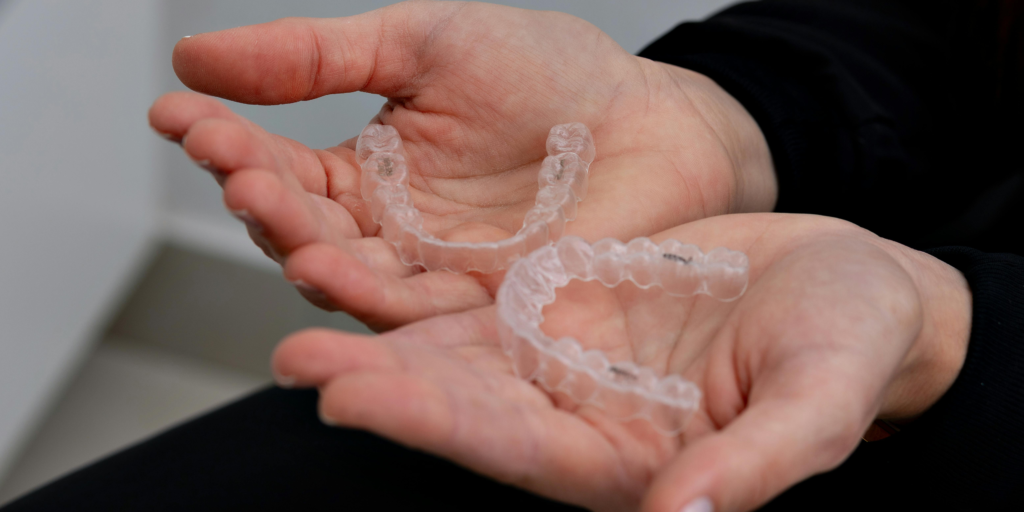
Under the guidance of experienced dental professionals like Dr. Georgia Haddad, patients are often reassured that Invisalign is generally comfortable—but some level of pressure and mild discomfort is normal, especially in the first few days of each new aligner set.
This article explains what Invisalign feels like, why discomfort happens, and how it compares to traditional braces so you know exactly what to expect before starting treatment.
Understanding Invisalign Basics
Invisalign is an orthodontic system that uses a series of custom-made, clear plastic aligners to gradually move teeth into proper alignment. Each aligner is worn for about 1–2 weeks before switching to the next set in the series.
Unlike braces, Invisalign does not use brackets or wires. Instead, the aligners apply controlled pressure to specific teeth, guiding them into new positions over time. This gradual movement is what makes Invisalign both effective and relatively comfortable.
At Beach Cities Dental Group, treatment plans are customized by specialists like Dr. Georgia Haddad to ensure patients experience minimal discomfort while achieving predictable results.
Why Do Teeth Hurt During Invisalign Treatment?
Some level of soreness is normal when starting Invisalign or switching to a new aligner. This discomfort usually comes from the pressure being applied to move teeth.
Here are the main reasons patients may feel pain or pressure:
- Tooth movement: Teeth are being gently shifted in their sockets.
- Bone remodeling: The bone around teeth adjusts as movement occurs.
- New aligners: Each set increases pressure slightly to continue progress.
- Attachment points: Small tooth-colored attachments can create extra force in specific areas.
The good news is that this discomfort is temporary and typically fades within 2–4 days.
Invisalign Pain Scale Breakdown
Pain from Invisalign is usually mild to moderate and short-lived. Below is a general breakdown of what patients may experience:
| Stage of Treatment | Pain Level (1–10) | What It Feels Like | Duration |
| First aligner | 4–6 | Pressure, tightness, slight soreness | 2–4 days |
| New aligner change | 3–5 | Mild pressure for a few hours to days | 1–3 days |
| Mid-treatment | 1–3 | Minimal discomfort | Occasional |
| Final stages | 1–2 | Light pressure only | Short-lived |
Most patients at Beach Cities Dental Group report that discomfort becomes easier to manage after the first couple of aligners under the supervision of Dr. Georgia Haddad.
What Causes Invisalign Discomfort?
Although Invisalign is designed for comfort, a few factors can contribute to soreness:
1. Pressure on Teeth
Each aligner is engineered to move specific teeth, which creates controlled force.
2. Tight Fit
New aligners often feel tight because they are designed to start a new phase of movement.
3. Speech Adjustment
Some patients experience mild tongue irritation or speech changes during the first few days.
4. Dry Mouth or Saliva Changes
Wearing aligners can temporarily affect saliva flow, leading to slight discomfort.
5. Chewing After Removal
Teeth may feel sensitive when eating shortly after removing aligners.
According to specialists like Dr. Georgia Haddad, these symptoms are a normal part of orthodontic adaptation and not a cause for concern.
Comparing Invisalign to Traditional Braces
One of the biggest reasons patients choose Invisalign is comfort. Here’s how it compares to traditional braces:
| Feature | Invisalign | Traditional Braces |
| Pain level | Mild pressure, short-term soreness | Moderate soreness, frequent irritation |
| Mouth sores | Rare | Common due to brackets |
| Adjustments | At-home aligner changes | In-office tightening |
| Diet restrictions | Minimal | Many restrictions |
| Oral hygiene | Easy to maintain | More difficult |
At Beach Cities Dental Group, patients are often advised by Dr. Georgia Haddad that Invisalign is generally the more comfortable and lifestyle-friendly option compared to braces.
How to Manage Invisalign Discomfort
If you do experience soreness, there are simple ways to manage it:
- Switch to new aligners at night
- Use over-the-counter pain relief if needed
- Eat soft foods during the first day or two
- Drink cold water to reduce sensitivity
- Wear aligners for the recommended 20–22 hours daily
Most patients find that discomfort decreases significantly after the first week.
Schedule an Appointment
If you’re considering Invisalign and want a personalized consultation, the team at Beach Cities Dental Group is here to help. Under the expert care of Dr. Georgia Haddad, you can receive a customized treatment plan designed for comfort, precision, and long-term results.
Book your consultation today to find out if Invisalign is right for you and take the first step toward a confident smile.
FAQs About Invisalign Pain
1. Is Invisalign painful for everyone?
No. Most patients only feel mild pressure, especially when starting or switching aligners.
2. How long does Invisalign pain last?
Usually 2–4 days after starting a new aligner set.
3. Does Invisalign hurt more than braces?
No. Invisalign is generally less painful than traditional braces.
4. Can I stop pain from Invisalign?
You can’t eliminate pressure completely, but you can reduce discomfort with simple home remedies and guidance from your dentist.
5. When should I contact my dentist?
If pain is severe, persistent, or uneven, contact your provider at Beach Cities Dental Group for evaluation by Dr. Georgia Haddad.