
Temporomandibular joint disorder (TMJ/TMD) affects more than 10 million Americans and is one of the most common causes of chronic jaw discomfort. According to the American Dental Association, TMJ disorders affect the jaw joint, surrounding muscles, and overall bite function. Newest TMJ Treatment options now go far beyond traditional mouthguards and pain medication, offering more advanced and personalized solutions for lasting relief.
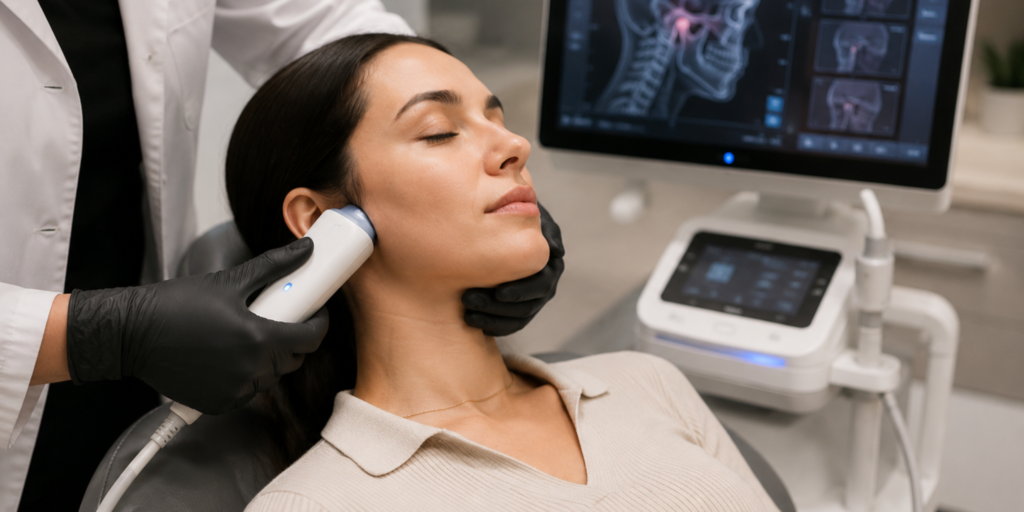
Advanced solutions like Botox for TMJ, laser therapy, ultrasound therapy, and custom orthotics are helping patients achieve faster and longer-lasting jaw pain relief.
If you are experiencing jaw pain, headaches, clicking sounds, or limited jaw movement, understanding today’s treatment options can help you choose the right path toward lasting relief.
Common Signs You May Need TMJ Treatment
TMJ symptoms often begin gradually and may worsen over time if left untreated. Many patients ignore early warning signs until pain begins affecting daily life.
Common signs include:
- Jaw clicking or popping
- Morning headaches
- Difficulty chewing
- Jaw locking
- Ear pain or ringing
- Facial soreness
- Neck tension
- Limited jaw movement
Patients in Ventura, Oxnard, and Camarillo experiencing these symptoms should consider professional evaluation before symptoms become more severe.
Why TMJ Treatment Has Evolved Beyond Mouthguards
For years, mouthguards were the standard solution for TMJ disorders, especially for patients who grind or clench their teeth at night. While they help reduce pressure and protect teeth from wear, they do not always address the root cause of TMJ discomfort.
TMJ disorders may develop due to:
- Teeth grinding (bruxism)
- Jaw misalignment
- Arthritis
- Injury or trauma
- Chronic stress
- Muscle tension
Because TMJ symptoms can have multiple causes, modern TMJ treatment now focuses on personalized care. Dental professionals use advanced imaging, digital bite analysis, and muscle evaluations to identify the source of discomfort more accurately.
Patients seeking long-term relief often benefit from comprehensive treatment plans designed specifically for their jaw function and symptoms.
Botox for TMJ: How It Works and Who It Helps
One of the fastest-growing treatments for TMJ discomfort is Botox for TMJ. This non-surgical option helps reduce pain caused by muscle tension, clenching, and grinding.
Botox works by relaxing overactive jaw muscles, particularly the masseter muscles. When these muscles remain tense, they create excessive pressure that can lead to headaches, facial soreness, and jaw stiffness.
Benefits of Botox for TMJ include:
- Reduced jaw tension
- Less teeth grinding
- Fewer headaches
- Improved jaw mobility
- Decreased facial soreness
Many patients notice improvement within days to weeks.
Botox is most effective for muscle-related TMJ pain rather than structural joint damage. That’s why professional diagnosis remains essential before treatment.
Laser and Ultrasound Therapy for Jaw Pain Relief
Non-invasive therapies continue to grow in popularity because they provide effective pain management without surgery or extensive downtime.
Laser Therapy
Laser therapy for jaw pain uses focused light energy to reduce inflammation, improve circulation, and support natural healing.
Benefits include:
- Reduced inflammation
- Improved blood flow
- Faster tissue recovery
- Lower muscle tension
- Reduced pain sensitivity
Many patients experience gradual but meaningful improvement after multiple sessions.
Ultrasound Therapy
Ultrasound therapy uses sound waves to target deep tissues around the jaw. This helps relax tight muscles and improve movement.
It is commonly used for patients experiencing:
- Chronic soreness
- Muscle stiffness
- Limited jaw movement
- Facial tension
Both treatments can provide excellent jaw pain relief, especially when combined with other therapies.
Custom 3D-Printed Orthotics: A More Precise Fit
Traditional mouthguards are often made using standard molds, which may not perfectly fit every patient’s bite. Today, custom 3D-printed orthotics offer a far more precise and comfortable solution.
Using digital scans, specialists create appliances tailored specifically to your jaw alignment and bite mechanics.
Benefits include:
- Precise fit
- Better jaw alignment
- Greater comfort
- Improved durability
- More effective symptom management
Unlike store-bought mouthguards, custom orthotics directly support long-term TMJ treatment success.
Many TMJ patients also struggle with teeth grinding and bite alignment issues, making custom orthotics a highly effective long-term solution.
Quick Comparison of New TMJ Treatments
| Treatment | Best For | Expected Results |
| Botox for TMJ | Muscle tension & clenching | Days to weeks |
| Laser Therapy | Inflammation & pain | Multiple sessions |
| Ultrasound Therapy | Tight muscles | Gradual relief |
| 3D Orthotics | Bite misalignment | Long-term improvement |
This comparison helps patients understand which treatment may best match their symptoms.
When Should You Seek TMJ Treatment?
You should seek professional evaluation if you experience:
- Persistent jaw pain
- Frequent headaches
- Difficulty opening your mouth
- Pain while chewing
- Clicking with discomfort
- Jaw locking episodes
Early diagnosis often leads to faster and more effective treatment outcomes.
How to Know Which TMJ Treatment Is Right for You
The right TMJ treatment depends entirely on what is causing your symptoms. Every case is different, which is why professional evaluation is essential.
A complete TMJ assessment typically includes:
- Symptom review
- Bite analysis
- Jaw movement evaluation
- Imaging if needed
- Muscle examination
These evaluations help determine whether your discomfort is caused by muscle tension, bite issues, joint dysfunction, or a combination of factors.
If your symptoms involve chronic clenching, Botox may help. If inflammation is the main issue, laser or ultrasound therapy may provide better relief. Patients with bite-related problems often benefit most from custom orthotics.
If you’re searching for a TMJ specialist near me in Ventura, choosing an experienced provider is the best first step toward lasting relief.
Beach Cities Dental Group and Dr. Georgia Haddad provide comprehensive TMJ evaluations using advanced diagnostic technology to identify the root cause of TMJ disorders and create personalized treatment plans.
Schedule Your TMJ Consultation Today
Living with jaw pain, headaches, facial tension, and limited jaw movement can significantly impact your daily comfort and quality of life. The good news is that advanced TMJ solutions are now more effective than ever.
If you are looking for expert TMJ treatment in Ventura, Oxnard, or Camarillo, Beach Cities Dental Group and Dr. Georgia Haddad provide personalized care designed to target the root cause of your symptoms.
Early treatment can help prevent worsening pain, chronic headaches, and long-term jaw complications.
Don’t let TMJ discomfort control your life. Schedule your appointment today and take the first step toward lasting jaw pain relief.
FAQs
Is Botox an effective treatment for TMJ pain?
Yes, Botox for TMJ is highly effective for patients with muscle-related jaw pain caused by clenching or grinding. It works by relaxing overactive jaw muscles, reducing pressure, tension, and discomfort. Many patients experience relief within several days to a few weeks.
How does laser therapy help with jaw pain?
Laser therapy for jaw pain helps reduce inflammation, improve blood circulation, and promote tissue healing. This treatment can reduce pain, improve mobility, and support faster recovery for patients with TMJ-related discomfort.
Are custom orthotics better than store-bought mouthguards?
Yes. Custom orthotics are designed specifically for your bite and jaw alignment, providing better comfort, precision, and long-term symptom relief compared to store-bought mouthguards.
How long does it take to see results from new TMJ treatments?
Treatment results vary depending on the severity of symptoms and the treatment method used. Some patients experience improvement within days, while others may notice gradual relief over several weeks.
When should I see a TMJ specialist instead of my regular dentist?
If you have persistent jaw pain, frequent headaches, jaw clicking, locking, or limited movement, visiting a TMJ specialist near me is recommended for advanced evaluation and targeted treatment.