

Medically Reviewed by Dr. Georgia Haddad.
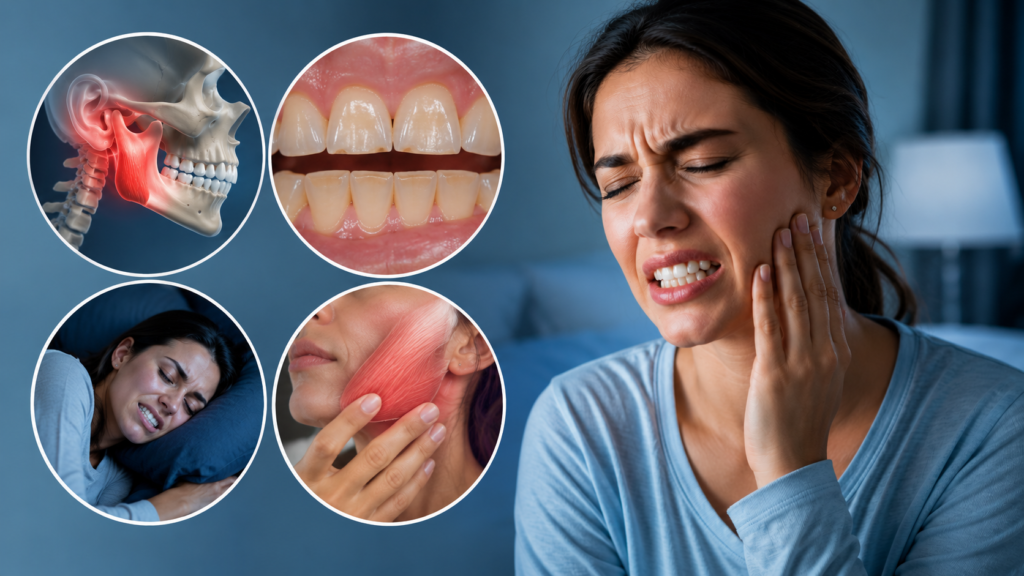
Teeth grinding, also known as bruxism, affects millions of adults and children worldwide. Many people grind or clench their teeth during sleep without realizing it until symptoms begin to appear. Over time, untreated bruxism can cause jaw pain, headaches, worn enamel, cracked teeth, TMJ discomfort, and poor sleep quality.
Many patients today are researching supplements for teeth grinding as part of a natural wellness and dental care strategy. Certain vitamins and minerals may help relax muscles, improve sleep quality, reduce stress, and support nervous system function—all of which may play a role in reducing jaw clenching and nighttime grinding. While supplements are not a cure, they can be helpful when combined with professional dental treatment.
What Supplements Help Teeth Grinding?
The best supplements for teeth grinding may include magnesium, calcium, vitamin B complex, vitamin D, melatonin, and omega-3 fatty acids. These nutrients may help reduce muscle tension, improve sleep quality, support nerve function, and lower stress levels. Supplements work best when combined with proper bruxism treatment.
What Is Teeth Grinding?
Bruxism refers to the involuntary clenching, grinding, or gnashing of teeth. It can happen while awake or during sleep. Sleep bruxism is especially common and often harder to detect.
Studies suggest sleep bruxism affects approximately 8–13% of adults.
Common symptoms include:
- Jaw soreness
- Morning headaches
- Tooth sensitivity
- Worn or chipped teeth
- Facial tightness
- Ear discomfort
- Disturbed sleep
At Beach Cities Dental Group, Dr. Georgia Haddad frequently treats patients experiencing these symptoms before they develop more serious dental damage.
What Is the Root Cause of Teeth Grinding?
Teeth grinding often develops due to multiple contributing factors.
Key Root Causes & Triggers
Stress and Anxiety
Stress remains one of the biggest causes of bruxism. Emotional tension often causes unconscious jaw clenching.
Sleep Disorders
Conditions like sleep apnea, poor sleep quality, and insomnia can increase grinding.
Bite Misalignment
Improper bite alignment may place excess pressure on jaw muscles.
Lifestyle Factors
Excess caffeine, alcohol, and smoking may worsen symptoms.
Medication Side Effects
Some medications, especially antidepressants, may trigger grinding.
Nutritional Deficiencies
Deficiencies in magnesium, calcium, vitamin D, and B vitamins may contribute to muscle tension.
Key Supplements to Consider
Magnesium
Magnesium is often considered the most helpful supplement for teeth grinding.
Benefits may include:
- Reduced muscle tension
- Better sleep
- Improved nervous system regulation
- Lower stress response
Magnesium glycinate is commonly preferred due to its calming effects.
Can Magnesium Stop Teeth Grinding?
Magnesium may help reduce grinding for people whose bruxism is linked to stress, poor sleep, or muscle tension. However, magnesium alone usually does not completely stop bruxism.
It may help:
- Relax jaw muscles
- Reduce tension
- Support deeper sleep
- Calm the nervous system
Calcium
Calcium supports healthy muscles, bones, and teeth.
Vitamin B Complex
Vitamin B may help regulate stress and nervous system function.
Vitamin D
Vitamin D supports calcium absorption and muscle health.
Melatonin
Melatonin may improve sleep quality in people with nighttime grinding.
Omega-3 Fatty Acids
Omega-3s may reduce inflammation and support brain health.
What Supplements Stop Teeth Grinding?
There is no single supplement proven to stop teeth grinding completely. However, these nutrients may help reduce symptoms:
- Magnesium
- Calcium
- Vitamin B Complex
- Vitamin D
- Melatonin
- Omega-3
The best results come from treating the underlying cause.
Managing and Treating Bruxism
Supplements alone are rarely enough.
Wear a Night Guard
Custom night guards help protect teeth from damage.
Reduce Stress
Helpful stress management techniques:
- Meditation
- Yoga
- Breathing exercises
- Massage
Improve Sleep Habits
Better sleep often reduces nighttime grinding.
Tips:
- Limit caffeine
- Avoid screens before bed
- Maintain a sleep schedule
Seek Professional Dental Care
Persistent bruxism should be evaluated by a dentist.
At Beach Cities Dental Group, Dr. Georgia Haddad provides personalized treatment for:
- Bruxism
- TMJ pain
- Jaw clenching
- Teeth wear
Early treatment can prevent long-term damage. Local dental practices that want to reach more patients online often work with a SEO Company Oxnard to improve their visibility.
How to Proceed
If you suspect teeth grinding, early intervention matters.
Follow these steps:
- Identify triggers
- Improve sleep
- Reduce stress
- Consider supportive supplements
- Schedule a dental evaluation
Schedule an Appointment
If you wake up with jaw pain, headaches, or tooth sensitivity, professional treatment can help.
Beach Cities Dental Group offers expert care for bruxism, TMJ, and teeth grinding. Dr. Georgia Haddad provides customized treatment plans to protect your smile and relieve discomfort.
Schedule your appointment today to prevent long-term dental damage.
FAQs About Supplements for Teeth Grinding
Can supplements cure bruxism?
No. Supplements support symptom relief but do not cure bruxism.
Which magnesium is best for teeth grinding?
Magnesium glycinate is often preferred due to its calming properties.
Is stress the main cause?
Stress is common, but sleep disorders and bite issues also contribute.
Can kids take supplements for bruxism?
Parents should consult a healthcare provider first.
When should I see a dentist?
If you have jaw pain, headaches, or tooth wear, schedule an evaluation.